Newsletter Archive
Curated insights on home maintenance, contractor selection, and the roofing and exterior work that protects our community’s homes.
The Contractor Interview You Should Be Having (But Probably Aren’t)
Why the questions you ask matter as much as the price quote you receive.
The Hook: Why Getting This Right Protects Your Home
Here’s what we’ve learned after reviewing hundreds of roofing and exterior work projects across the community: the quality of the work depends far less on the contractor’s reputation than on the quality of the conversation you have with them before they start. Not the sales pitch—the real conversation.
Most homeowners focus entirely on the number at the bottom of the estimate. Price matters, yes. But we’ve documented cases where the lowest bid resulted in callbacks and repairs within two years, while a mid-range contractor’s work has held up for a decade with zero issues. The difference? The contractor who asked better questions and listened to the answers.
The Substance: What a Contractor’s Answers Tell You
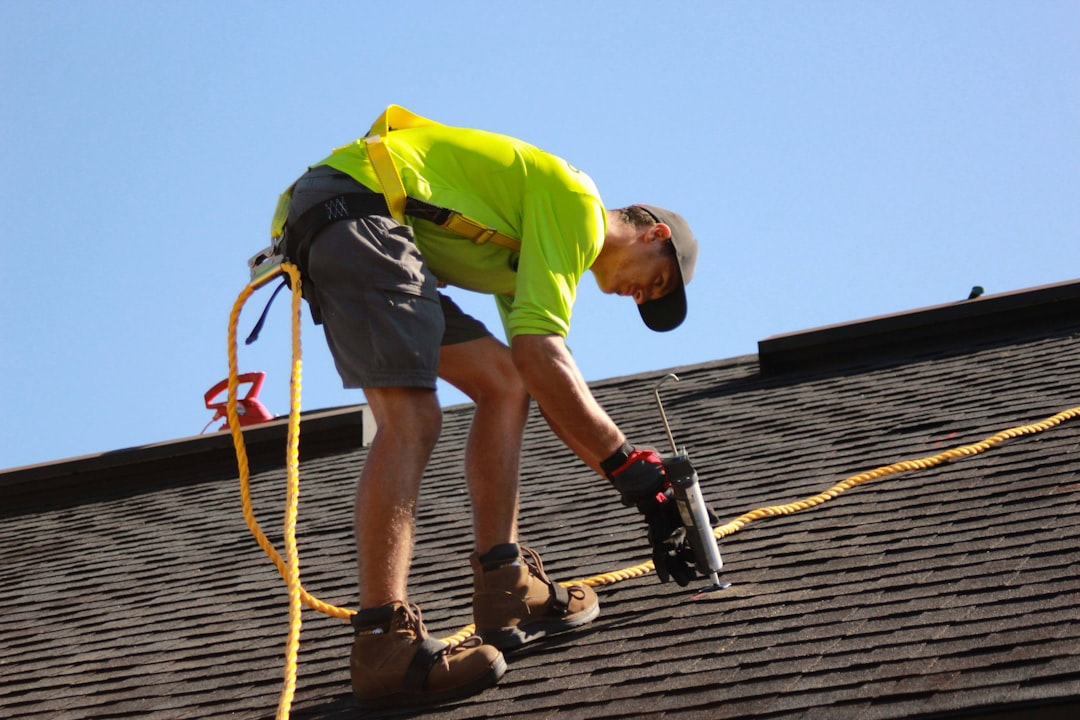
When you’re interviewing a contractor for roofing, siding, or gutter work, ask these questions and pay attention not to what they say, but to how they say it:
- “Can you walk me through how you handle site prep for a roof replacement?” A careful answer about tarp placement, waste management, and protection of landscaping suggests someone who thinks about details. A quick answer suggests they’re rushing.
- “What specific building code requirements apply to my roof?” Listen for references to underlayment, ventilation, nailing patterns, and wind rating. Vague answers suggest the contractor may not be thinking deeply about code compliance.
- “What happens if you discover something unexpected during the project—like hidden damage under the old shingles?” The answer reveals whether they plan for surprises or just hope nothing goes wrong. Better contractors have a process for this.
- “How do you handle warranty claims if something doesn’t perform as expected?” Contractors who stand behind their work have clear protocols. Contractors who seem evasive or dismissive are signaling risk.
- “Can I see pictures of your last three completed projects, and can I call those homeowners?” This separates talk from action. Contractors who hesitate likely have problems in their track record.
The contractors we’ve seen deliver the best results tend to answer these questions thoroughly and without defensiveness. They’re comfortable explaining their process because they’ve thought it through. They invite references because they know their work speaks for itself.
A Worked Example: What We’ve Seen in Practice
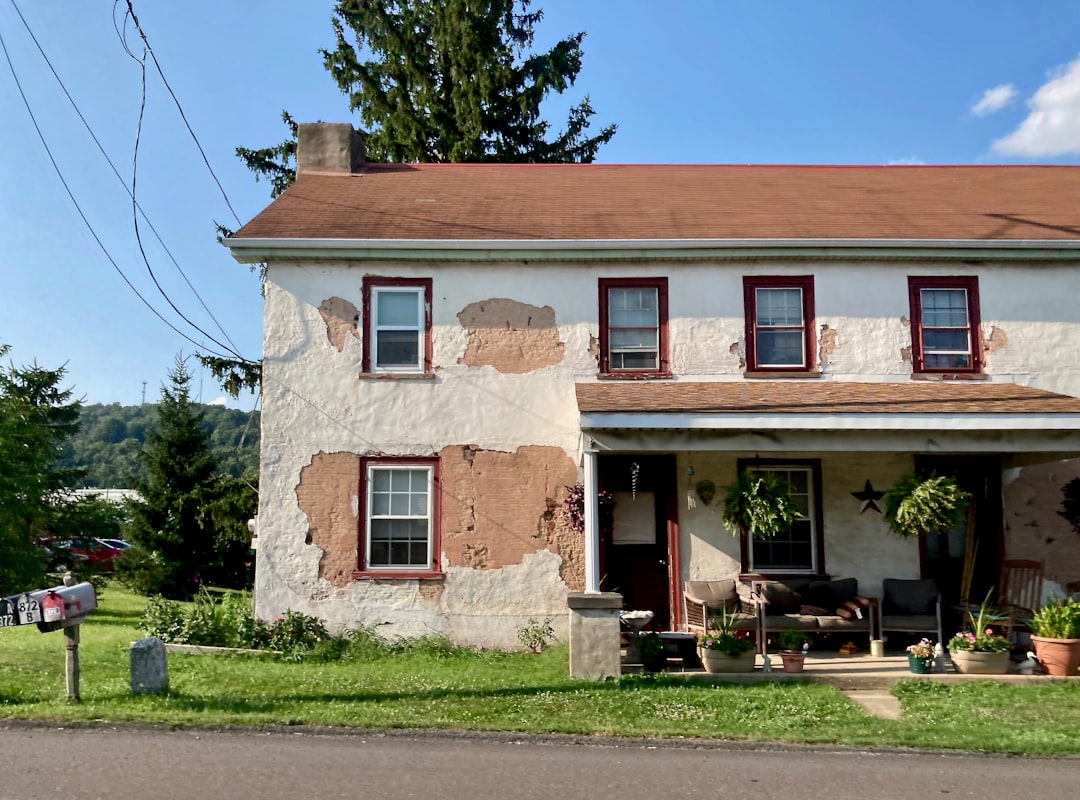
We tracked a home exterior project earlier this year where the homeowner received three estimates for a roof and siding replacement. The lowest bid came in at $18,500. The mid-range bid was $24,200. The highest was $26,800. On the surface, the difference looks like the lower two contractors were offering a better deal on the same work.
But when the homeowner asked the “What if you find hidden damage?” question, the low-bid contractor said problems were “pretty rare” and they’d “cross that bridge if they came to it.” The mid-range contractor detailed a specific process: they’d photograph everything, call the homeowner with findings, and agree on a scope adjustment before proceeding. The high-bid contractor went further—they actually visited the property twice to inspect the condition of the roof decking and underlying structure before quoting.
The homeowner chose the mid-range contractor. During the project, they did find unexpected rot on one corner of the roof decking—exactly the kind of surprise the contractor had prepared for. Because of that pre-planning conversation, the homeowner understood the issue, approved the fix, and the project stayed on track. Total overrun: $800. Total job satisfaction: high.
By contrast, another homeowner in the community chose the low-bid contractor for a similar project. Surprise damage was discovered mid-project. No process existed for handling it. The contractor quoted an additional $3,200 to address it, right in the middle of the work. The homeowner felt trapped, felt misled, and while the work got done, the relationship was damaged. The contractor was never recommended to anyone else.
Takeaway: The Price You Pay Now vs. Later
The cost of hiring a contractor is not the estimate they give you. The cost is the estimate plus the risk you’re taking on. When you hire someone who asks good questions and listens carefully, you’re buying clarity and process. When you hire based purely on the lowest price, you’re buying uncertainty.
Next time you’re getting quotes for roofing, gutter, or siding work, spend 20 minutes on the phone with each contractor. Ask the questions above. Listen for depth, process, and confidence. The contractor who takes the conversation seriously is probably the one who’ll take your roof seriously too.